



5 Most Important Factors to Consider When Selecting a Roof Coating
Roof coatings are an essential part of maintaining a building’s roof. They can help to extend the life of the roof, improve its energy efficiency, and protect it from the elements.
Learn about the 5 most important factors to consider when selecting a roof coating for your building. In this article, we will explore the different types of roof coatings, their energy efficiency, durability, waterproofing, and cost-effectiveness.

1. Types of Roof Coatings
Roof coatings are a great way to protect your roof from the elements and extend its lifespan. There are many different types of roof coatings available, each with its own advantages and disadvantages.
The three most popular types of roof coatings in South Africa include roof painting systems, bitumen roof coatings, and elastomeric roof coatings.
Roof painting systems:
These are systems that use paint to protect the roof from the elements. Roof painting systems are a good option for roofs that need to be both waterproof and aesthetically pleasing.
- Water-based roof paints: These are paints that are made with water as the solvent. Water-based roof paints are a good option for roofs that are in need of a gentle cleaning. Two products you can look at are Pittura & Renew roof paint. Pittura High Gloss Roof and Metal Paint is an acrylic water-based “metal roof paint” with a toughened high gloss finish that will not crack, peel, or fade when properly applied. Renew will restore & improve your old, weathered and inefficient roof tiles. It is easy to apply by roller, brush or spray.
- Solvent-based roof paints: These are paints that are made with a solvent, such as mineral spirits. Solvent-based roof paints are a good option for roofs that need a more thorough cleaning.
Bitumen roof coatings:
These are made of bitumen, a sticky, black substance that is derived from petroleum. Bitumen roof coatings are very durable and can withstand a lot of wear and tear. They are also a good choice for roofs in areas with harsh weather conditions.
- Bitumen Paint Systems: These are systems that use bitumen as the base coat, followed by a topcoat of paint. Bitumen paint systems are a good option for roofs that need to be both waterproof and durable
- Bitumen Torch-On Systems: These are systems that use bitumen that is applied to the roof using a torch. Bitumen torch-on systems are a good option for roofs that are in need of a major repair. With advances in roof coating technology, we have moved away from bitumen & torchon systems. The ArmTec Hyperflex system is an excellent replacement for Bitumen coatings.
Elastomeric roof coatings:
These are made of rubber-like materials and are a good choice for flat or low-slope roofs. They are flexible and can withstand a lot of movement, and they are also resistant to UV rays and chemicals. Rubber paint is a popular choice for roofs because it is durable, long-lasting, and easy to apply. However, there are some potential downsides to using rubber paints that, include:
- Cost: Can be a more expensive option than some other waterproofing paints.
- Application: Can be difficult to apply evenly, which can lead to uneven coverage and potential leaks.
- Durability: Can crack or peel over time, especially if it is not properly maintained.
- Toxicity: VOCs must be checked and can be harmful to human health and the environment.
No matter what type of roof coating you choose, it is important to have it applied by a qualified professional. This will ensure that the coating is applied correctly and that it will last for many years to come.
2. Energy Efficiency
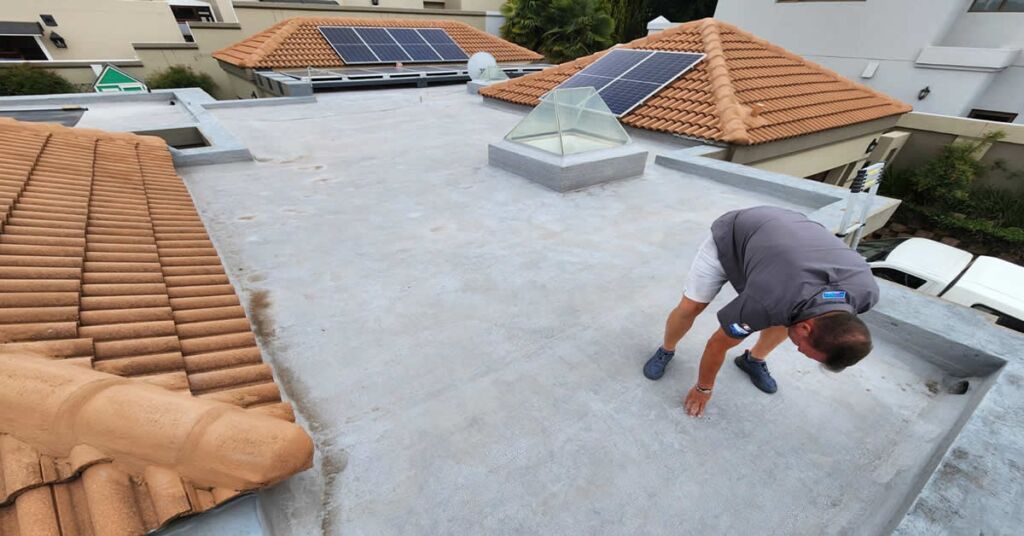
Roof coatings can improve energy efficiency by reflecting sunlight, reducing the amount of heat that enters a building, and improving insulation. This can lead to significant energy savings for property owners.
How Roof Coatings Improve Energy Efficiency
Roof coatings work by reflecting sunlight. When sunlight hits a roof, it is converted into heat. This heat can then warm up the interior of a building, increasing the need for air conditioning. Roof coatings can reflect sunlight, preventing it from hitting the roof and converting it into heat. This can help to keep the interior of a building cooler, reducing the need for air conditioning.
How Much Can Roof Coatings Save You in Energy Costs?
The amount of energy that roof coatings can save you depends on the type of roof coating you choose, the slope of your roof, and the climate in your area. However, in general, roof coatings can save you up to 20% on your energy costs.

3. Durability
Roof coatings are designed to be durable and long-lasting, protecting a building’s roof from the elements and other external factors. Regular maintenance and upkeep can help extend the life of a roof coating, ensuring that it continues to provide protection and benefits for years to come.
How Long Do Roof Coatings Last?
The lifespan of a roof coating depends on the type of roof coating you choose, the climate in your area, and how well you maintain it. However, in general, roof coatings can last for 10-20 years.
4. Waterproofing
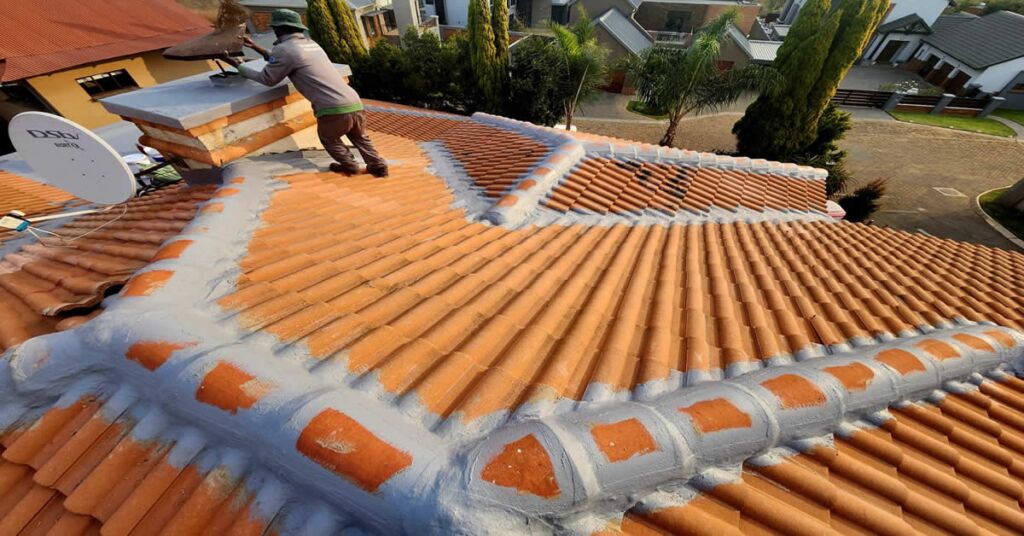
Waterproofing is one of the most important benefits of roof coatings. A correctly waterproofed and well-applied roof coating can help prevent leaks and water damage, ensuring that the interior of a building stays dry and protected. It is essential to choose a high-quality roof coating system incorporating waterproofing and painting, that provides adequate protection for your building’s roof.
How Roof Coatings Protect Your Roof
Roof coatings work by creating a barrier between the roof and the elements. This barrier prevents water from seeping through the roof and causing leaks. Roof coatings also help to protect the roof from other elements, such as wind and hail.
5. Cost-Effectiveness
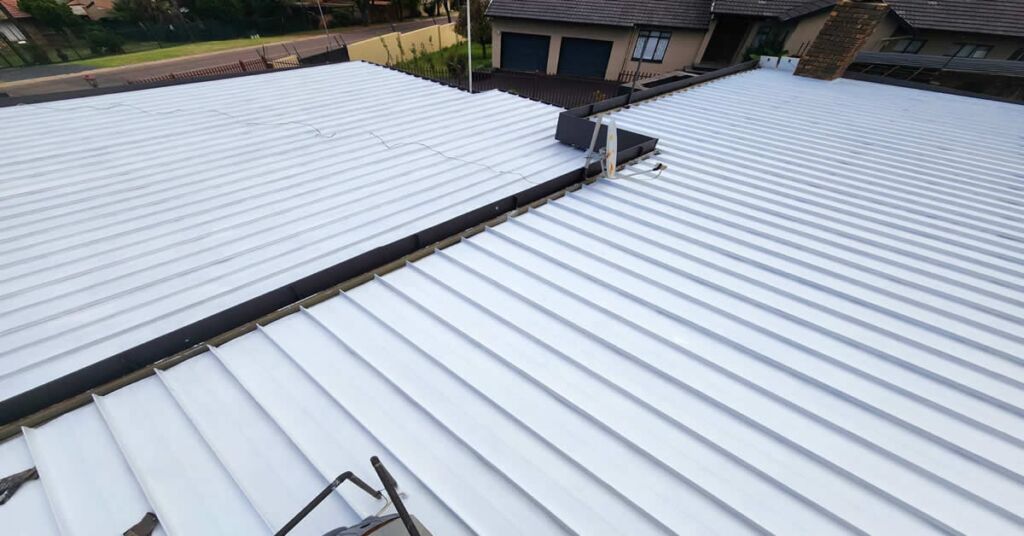
Roof coatings can be a cost-effective solution for property owners looking to improve the longevity and functionality of their building’s roof. The initial investment in a roof coating can be offset by the long-term benefits and energy savings it provides. Additionally, roof coatings can often be applied without the need for a full roof replacement, further reducing costs.
How Much Do Roof Coatings Cost?
The cost of roof coatings varies depending on the type of roof coating you choose, the size of your roof, and the climate in your area. However, in general, roof coatings can cost anywhere from R65/SQM to R95/SQM.
Additional factors to consider when choosing a roof coating
Climate:
If you live in an area with hot summers or cold winters, you will need to choose a roof coating that is designed for your climate. For example, if you live in an area with hot summers, you will need a roof coating that reflects sunlight and helps to keep your home cool.
Type of roof:
If you have a flat or low-slope roof, you will need a different type of roof coating than if you have a steep-sloped roof. Flat or low-slope roofs are more prone to leaks, so you will need a roof coating that is waterproof and durable.
Budget:
Roof coatings can range in price from a few hundred dollars to several thousand dollars. You will need to decide how much you are willing to spend on a roof coating before you start shopping.
Time of year to apply a roof coating:
The best time to apply roof coatings is during the spring or fall, when the weather is mild. This will help the roof coating to adhere properly and prevent it from peeling or cracking. During the summer, the heat can cause the roof coating to dry too quickly, which can lead to cracking. In the winter, the cold can make it difficult for the roof coating to adhere properly.
If you live in an area with hot summers, you may want to consider applying a roof coating in the fall. This will give the roof coating time to cure before the next summer heat wave.
If you live in an area with cold winters, you may want to consider applying a roof coating in the spring. This will give the roof coating time to cure before the next winter cold snap.
In conclusion, roof coatings are an essential component in maintaining the longevity and functionality of a building’s roof. From energy efficiency to waterproofing, the benefits of roof coatings are numerous and cost-effective. Property owners should consider the critical roof coating facts outlined above when choosing the right roof coating for their buildings. If you need a professional roof waterproofing and painting contractor to come out and do an inspection on your roof or price your roof painting project please do not hesitate to contact us!